Carnival 2020 in Barão de Cocais, MG
Carnival is one of the most iconic celebrations of Brazilian culture, bringing together music, dance and popular expressions passed down through generations. The festival turns streets and squares into great open-air stages, encouraging encounters, social integration and an appreciation of local traditions.
In Minas Gerais, Carnival has been thriving not only in the big cities but also in interior towns that invest in organization, cultural diversity and infrastructure. This strengthens regional tourism and broadens the reach of popular culture.
In the Serra do Caraça region, Barão de Cocais has built a strong Carnival identity over the years. In 2020, the town enjoyed one of the most memorable editions in its history, firmly establishing itself among the biggest Carnivals in the region.
CarnaBarão 2020 was designed to offer varied experiences, combining big concerts, traditional blocos, children's attractions and a strong cultural presence, all in a setting planned to welcome thousands of revelers.
A meeting of sensations and five days of celebration
Held from February 21 to 25, Carnival 2020 in Barão de Cocais had the theme "Um encontro de sensações" (A meeting of sensations). The idea was to stir emotions through music, togetherness and the creative use of public spaces.
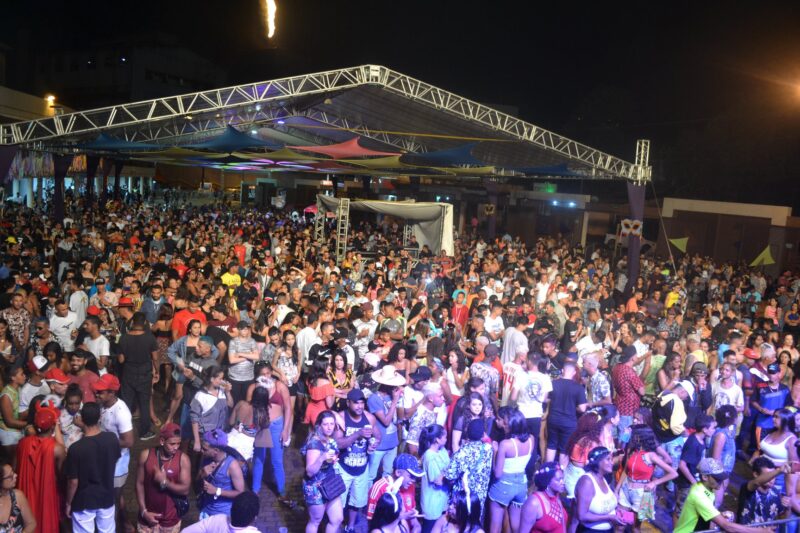
For five days in a row, the town breathed Carnival. The José Furtado Events Space and Praça Nossa Senhora Aparecida were the main meeting points, welcoming residents and visitors from many towns in the region.
The program was carefully spread over the days, allowing different audiences to take part. There were attractions from the afternoon until the early hours, ensuring a continuous, dynamic experience.
This structure established CarnaBarão 2020 as a diverse event that appealed to different musical tastes and age groups, further strengthening the cultural identity of Barão de Cocais and the Serra do Caraça.
Big shows, traditional blocos and musical diversity
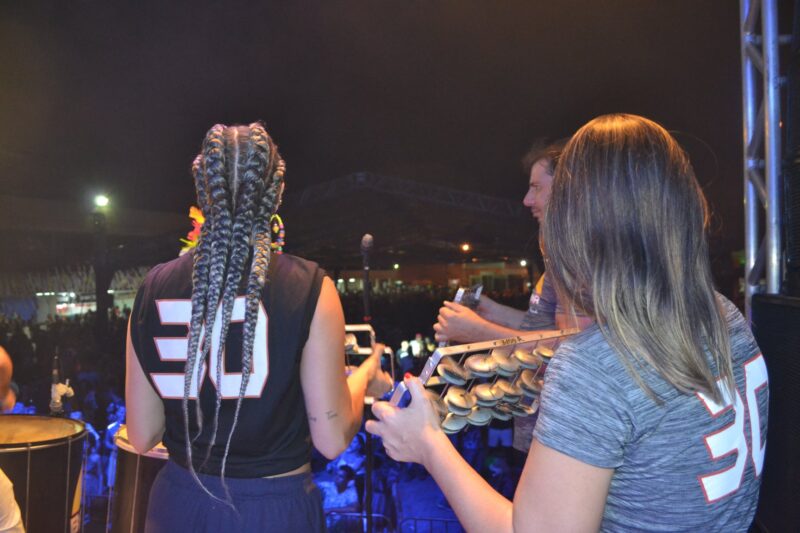
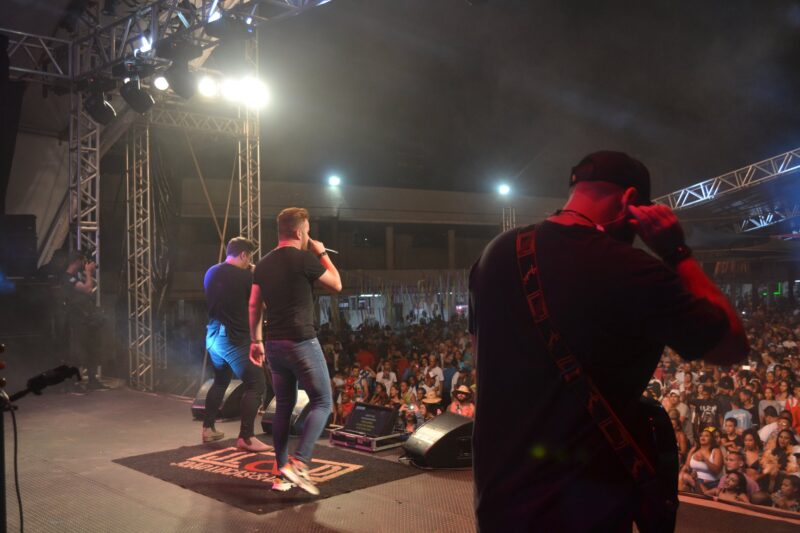
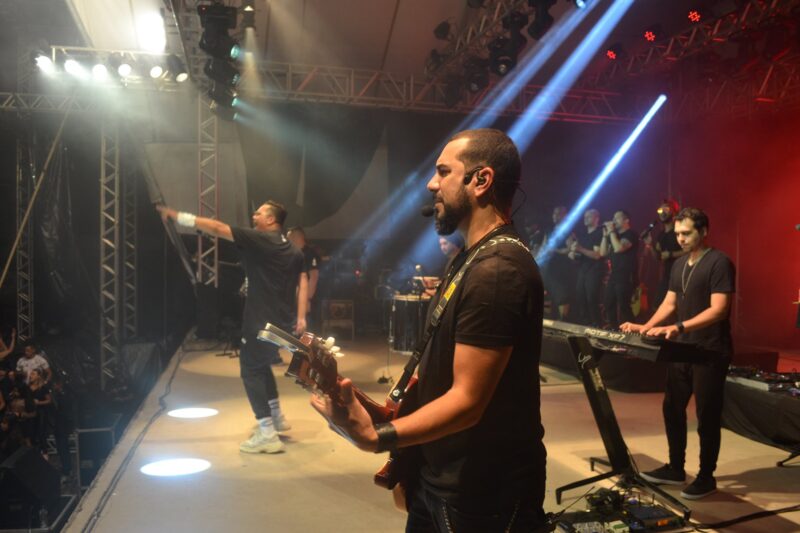
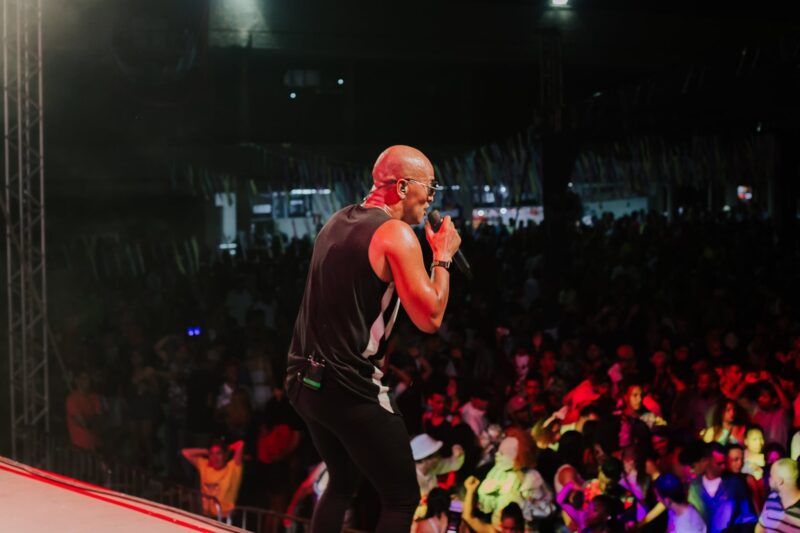
Carnival 2020 featured major national acts. Artists such as Sorriso Maroto, Negritude Jr., Bat-Caverna, João Lucas & Diogo and Vira & Mexe drew huge crowds to the Events Space, ensuring packed nights and lots of audience interaction.
Alongside the big shows, the Carnival blocos (street groups) played an essential role. Groups such as Viraliza, Caixa D'Água, Manoel Boi and Unidos do São Benedito kept street Carnival traditions alive, with parades full of joy and local identity.
Marchinhas (traditional Carnival songs), led by Robson Nunes, were also part of the program, reviving a style that spans generations and still delights revelers of all ages.
Musical diversity was broadened by DJs such as Ronald, Danny Albuquerque, Sara Rodrigues, Henrique Silva, Douglas Dias and JR, who brought a variety of rhythms and kept the party going until late.
Family program and the use of public spaces
Besides the night-time attractions, CarnaBarão 2020 stood out for its family program. Children's matinees with bands such as Uai Sô Kids and Batuk Art Kids turned Praça Nossa Senhora Aparecida into a place of fun for children and parents.
During the day, groups such as Mistura do Samba, Mistura Envolvente and Supremacia brought pagode and fun to the public, expanding the cultural options outside the evening hours.
This varied use of public spaces made Carnival more inclusive and accessible, encouraging different generations to mix.
Using several parts of town at the same time helped spread the crowds and showcased important areas of the town, strengthening the link between culture, leisure and tourism in the Serra do Caraça region.
Record crowds, regional impact and reinforced security
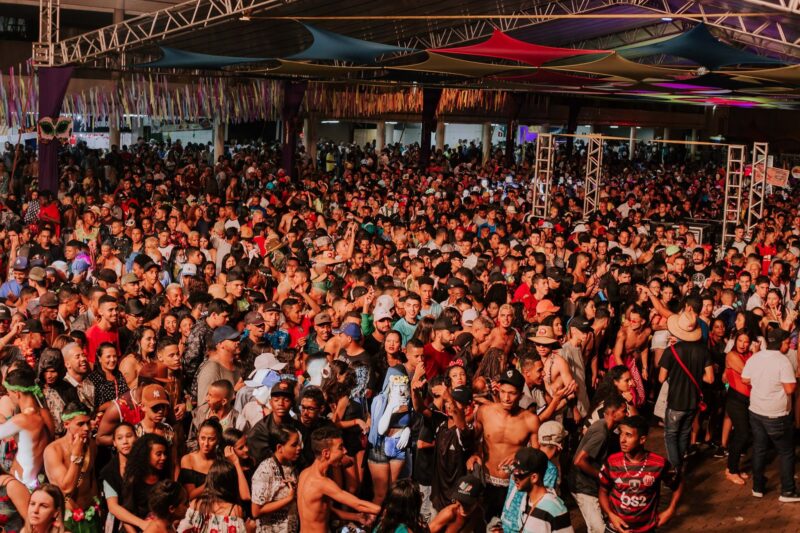
CarnaBarão 2020 achieved impressive numbers. Over the five days, about 40,000 revelers passed through the festival venues, establishing the Barão de Cocais Carnival as the biggest in the region.
This intense flow of people boosted local commerce, strengthened the service sector and increased the town's visibility as a tourist destination. The event reaffirmed the potential of Barão de Cocais as a destination for major cultural celebrations in Minas Gerais.
To keep the public safe, the town council organized one of the largest security operations ever seen in the town. About 320 professionals worked directly at the event, including support staff, fire brigade members and private security.
In addition, around 90 professionals a day were stationed at 18 strategic points around the perimeter, following the guidelines of the Minas Gerais Public Prosecutor's Office. The result was a safe, organized and memorable Carnival that left a positive legacy for future editions in the Serra do Caraça region.
Photo gallery