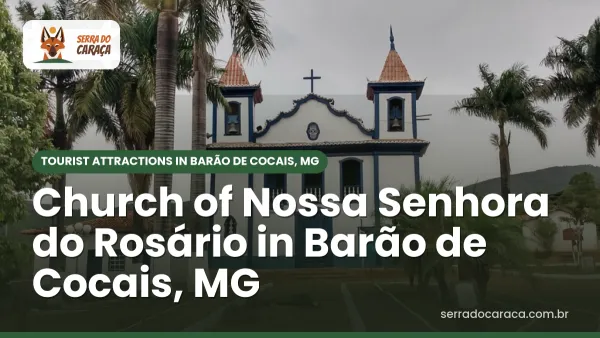
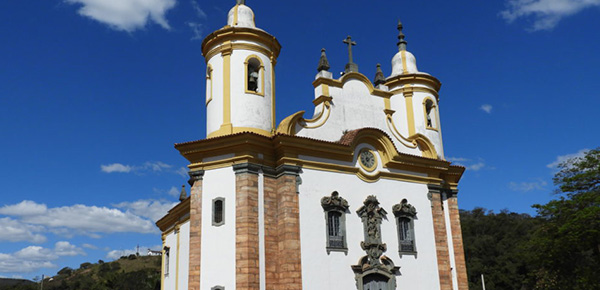
Sanctuary of São João Batista in Barão de Cocais, MG
Location: Praça Monsenhor Gerardo, 12 – Centro, Barão de Cocais – MG
Landmark: In the heart of town, the Sanctuary of São João Batista is close to the historic center and is one of the main cultural and religious landmarks of the Serra do Caraça.
Origins and devotion
The Sanctuary of São João Batista (Saint John the Baptist) in Barão de Cocais is one of the most remarkable monuments of Minas Gerais Baroque and a symbol of the faith that shaped the history of the Serra do Caraça region. The first chapel dedicated to the saint was built in 1713, on the banks of a river where gold was being mined. As the settlement grew and devotion strengthened, a new church was built on the same site in 1763, replacing the old rammed-earth building.
The parish was created in 1752, consolidating the development of what was then the settlement of São João Batista do Morro Grande. Rapid economic and population growth brought the wish to build a church worthy of the residents' faith and prosperity. So the sanctuary was born, designed and decorated with the participation of masters such as Antônio Francisco Lisboa, known as Aleijadinho, and Manuel da Costa Ataíde, two of the greatest names in Minas Gerais sacred art.
The sanctuary is listed by the National Historic and Artistic Heritage Institute (IPHAN) and, over the centuries, has become not only a religious space but also a meeting point of culture, art and spirituality.
To this day, the Sanctuary of São João Batista remains one of the most visited places in Barão de Cocais, drawing worshippers, historians and tourists enchanted by the beauty and grandeur of the work.
Baroque architecture and the hand of Aleijadinho
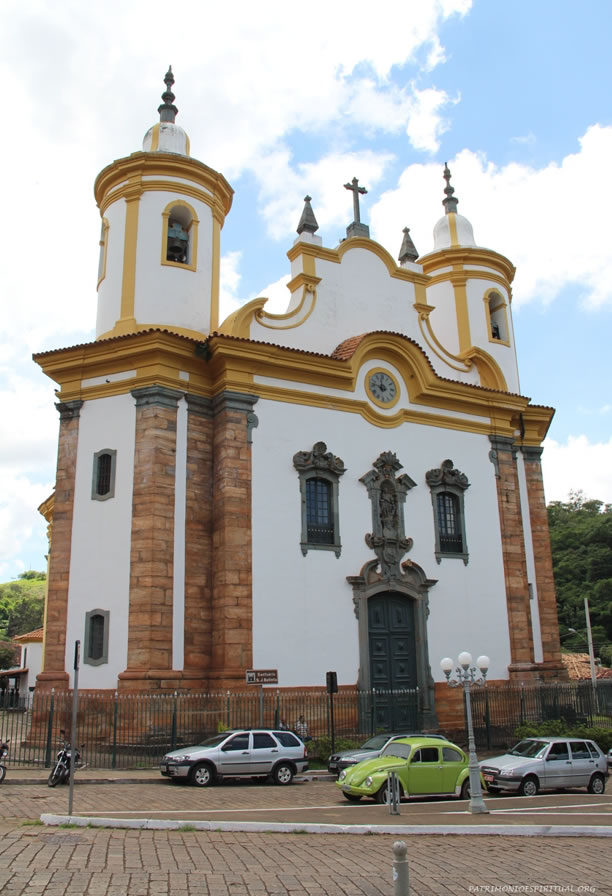
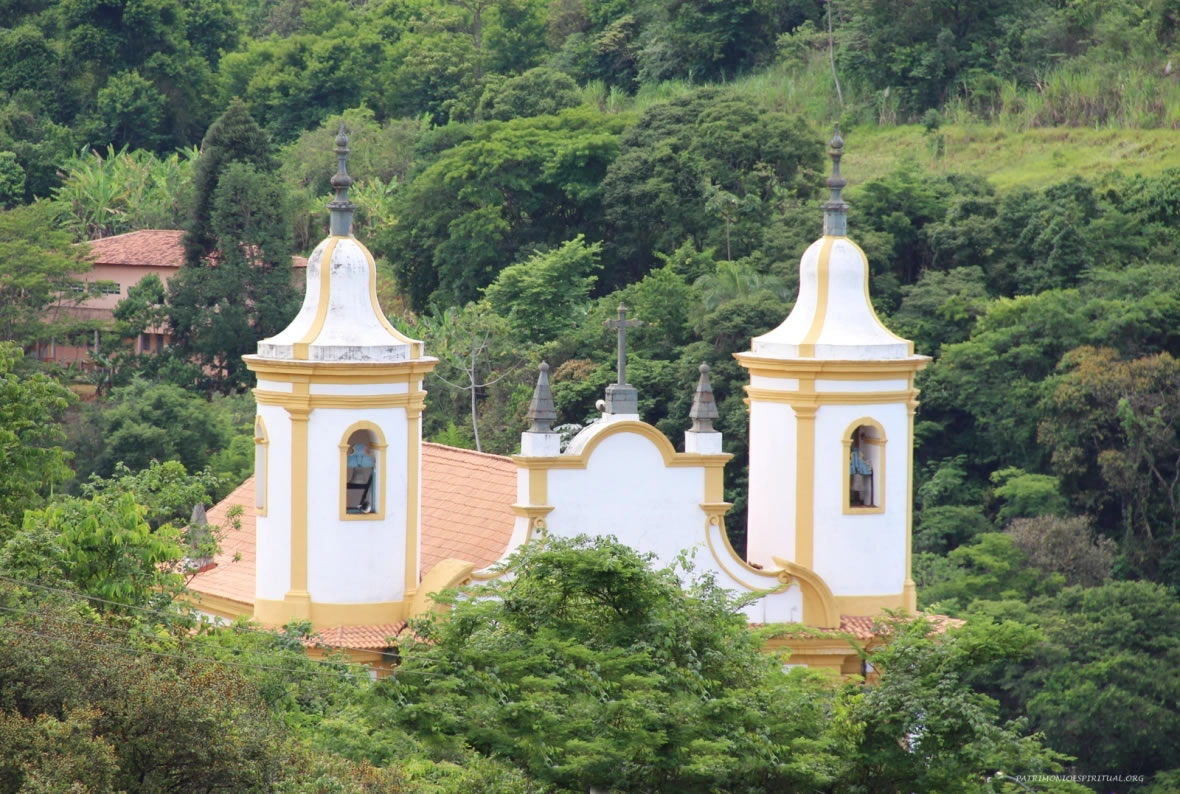
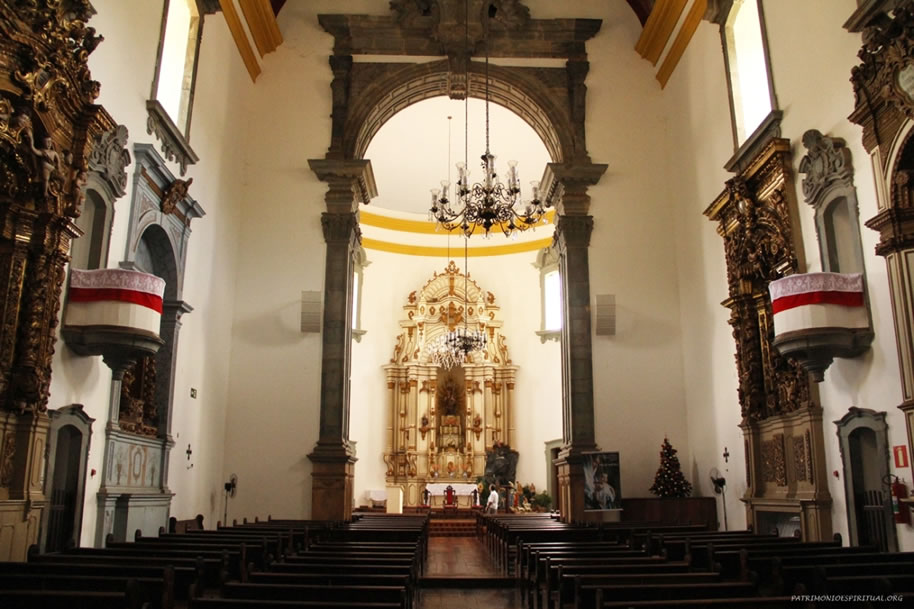
The sanctuary reflects the characteristics of Minas Gerais Baroque, with a balanced combination of grandeur and harmony. Built with load-bearing adobe and brick walls, the church stands out for its façade with two round towers on square bases, set diagonally to the body of the church — a bold and innovative architectural solution for the time, attributed to Aleijadinho.
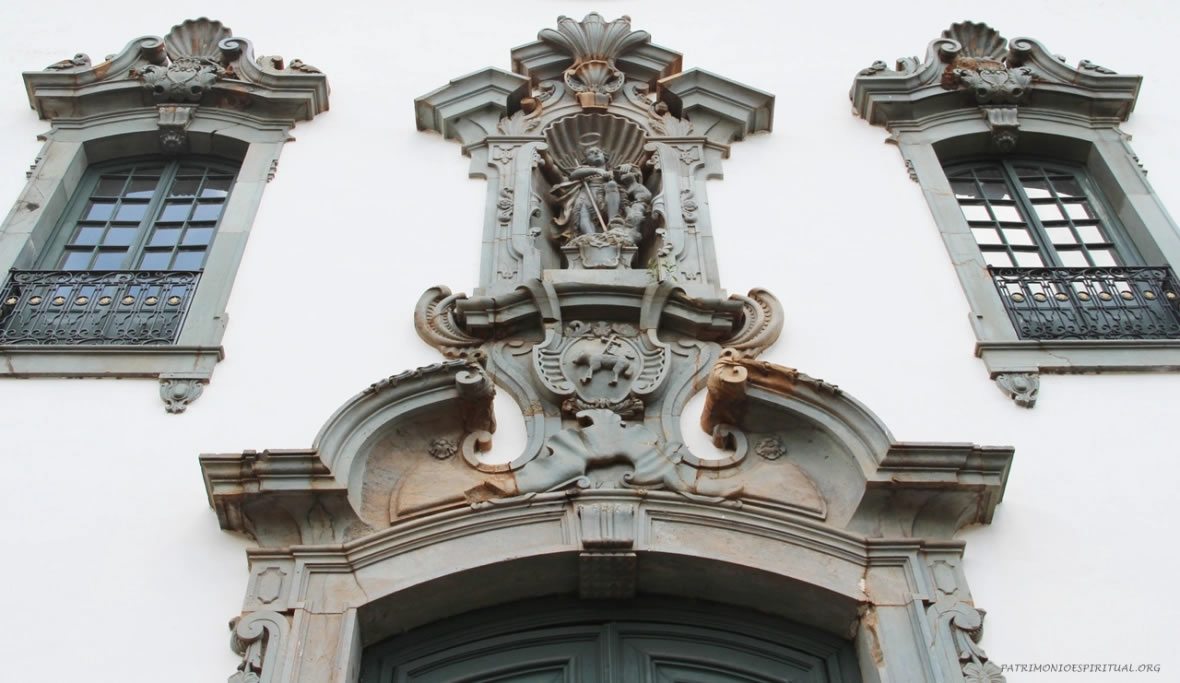
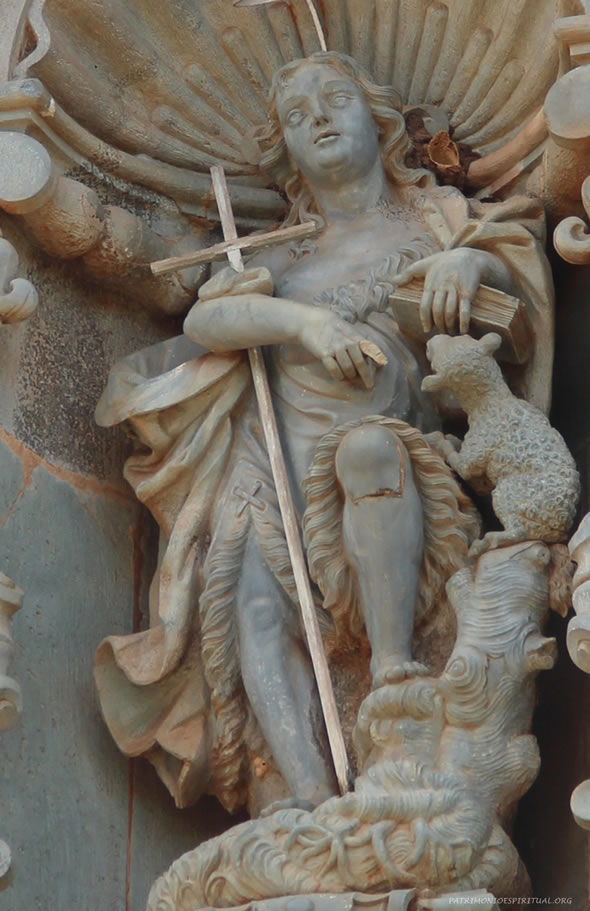
The frontispiece is decorated with cornices, moldings and pinnacles, crowned by a central cross. The main entrance is reached by a four-step stairway leading to the doorway carved in soapstone, which holds the image of Saint John the Baptist, also carved by Aleijadinho.
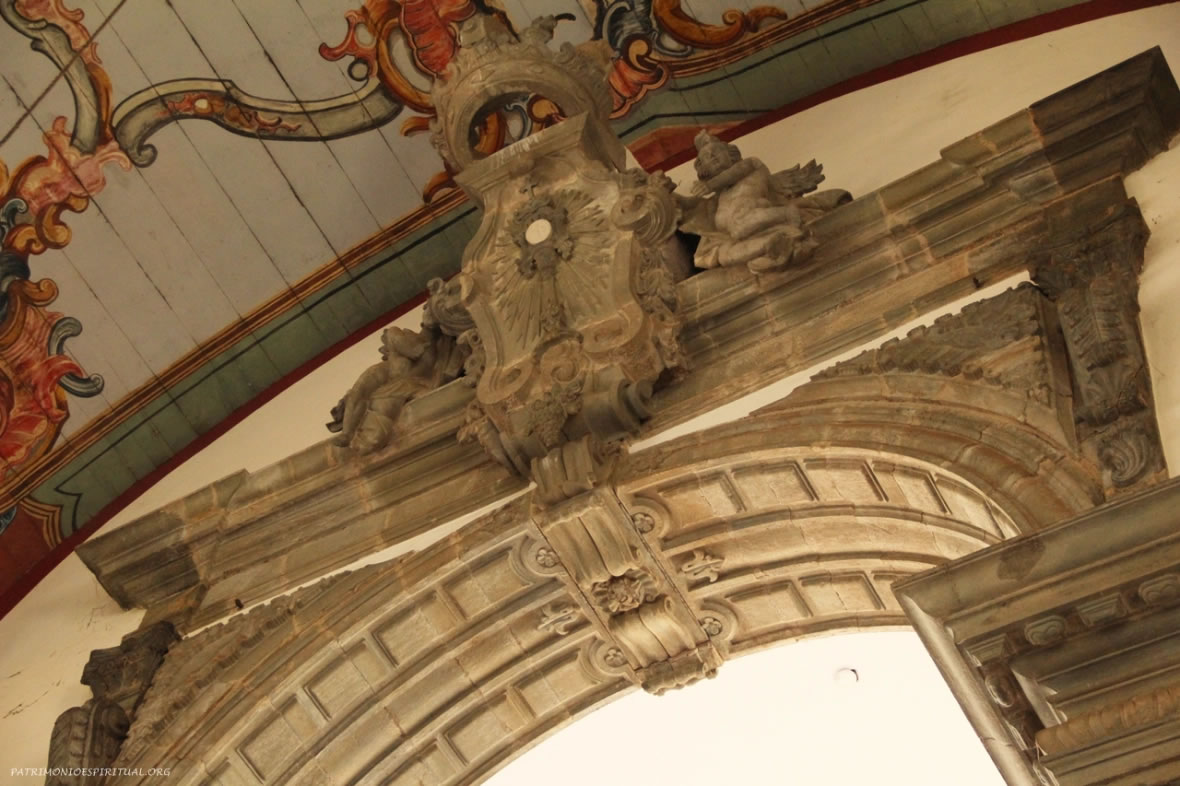
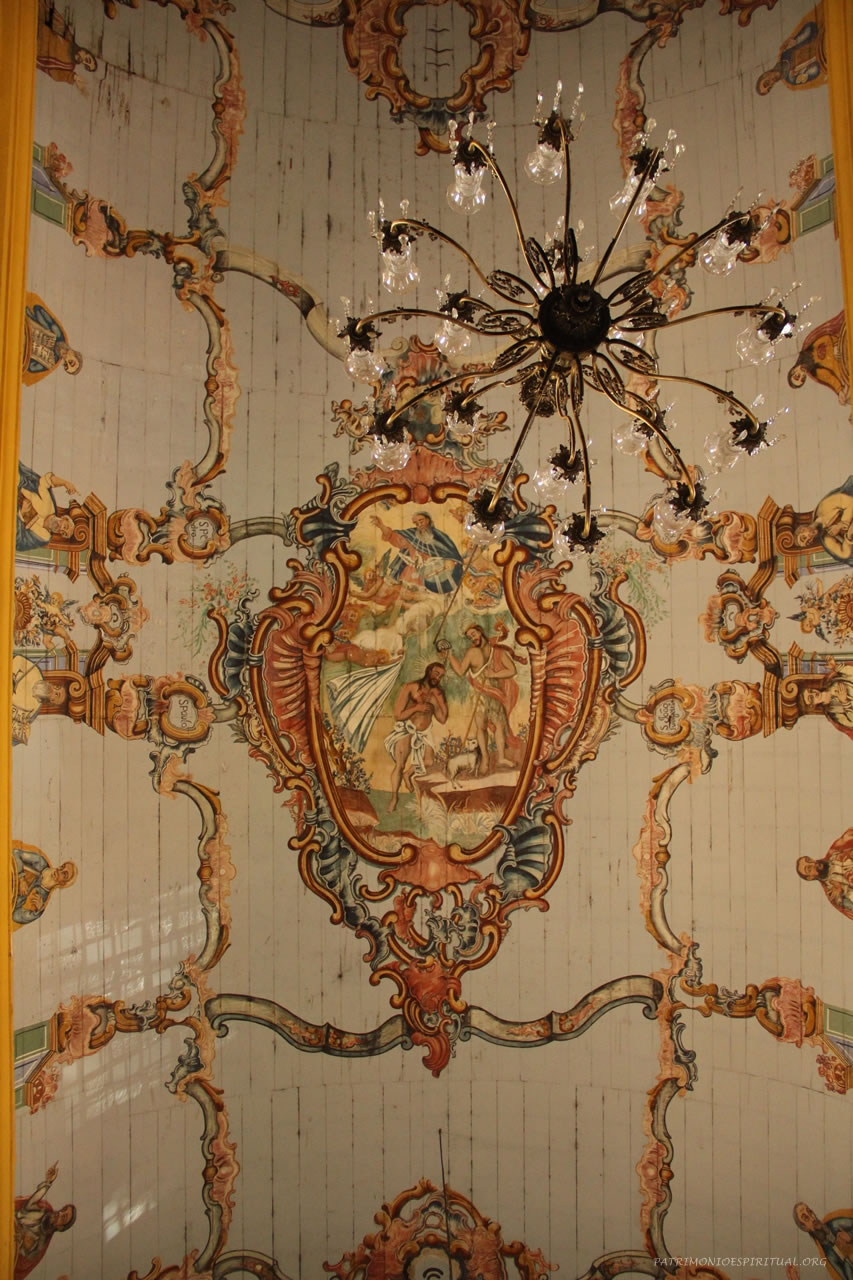
The interior of the sanctuary is equally impressive: the wooden ceiling painted by Mestre Ataíde depicts the baptism of Jesus in one of the most beautiful and symbolic compositions of Minas Gerais religious art. The chancel arch, also in soapstone, shows Aleijadinho's unmistakable style, masterfully combining sculpture and architecture.
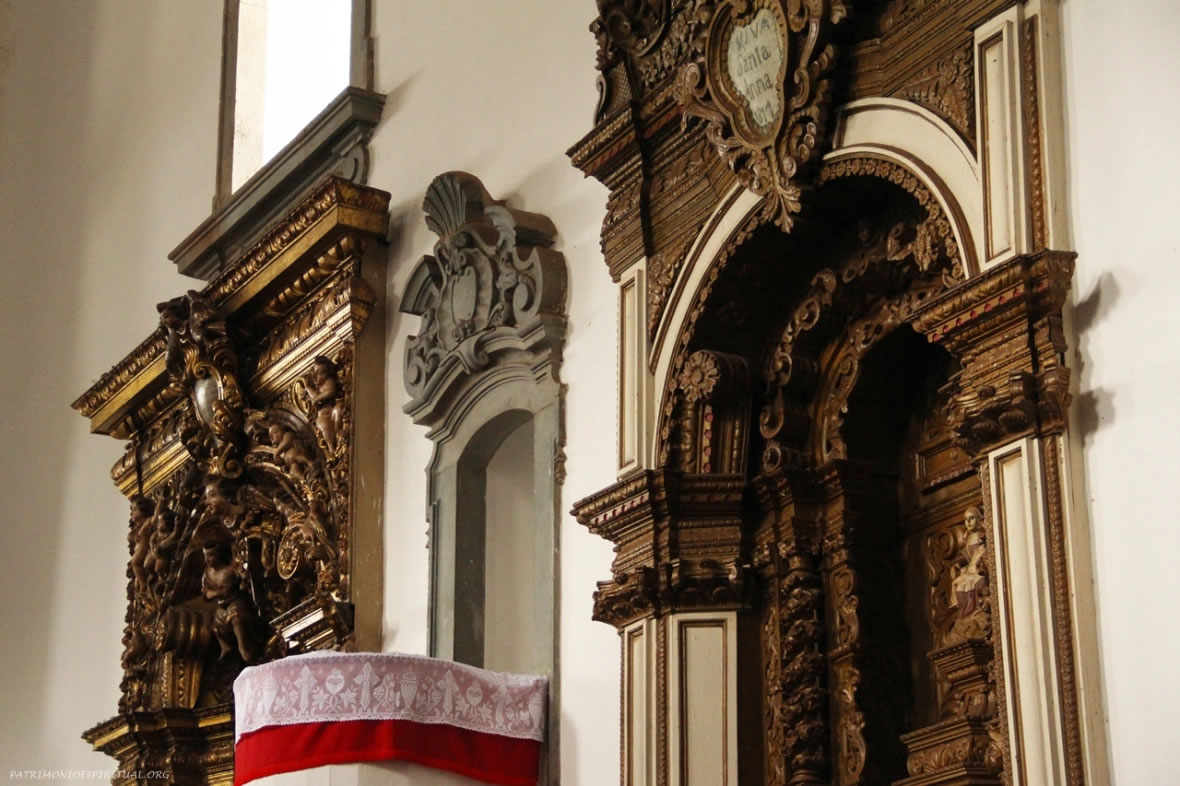
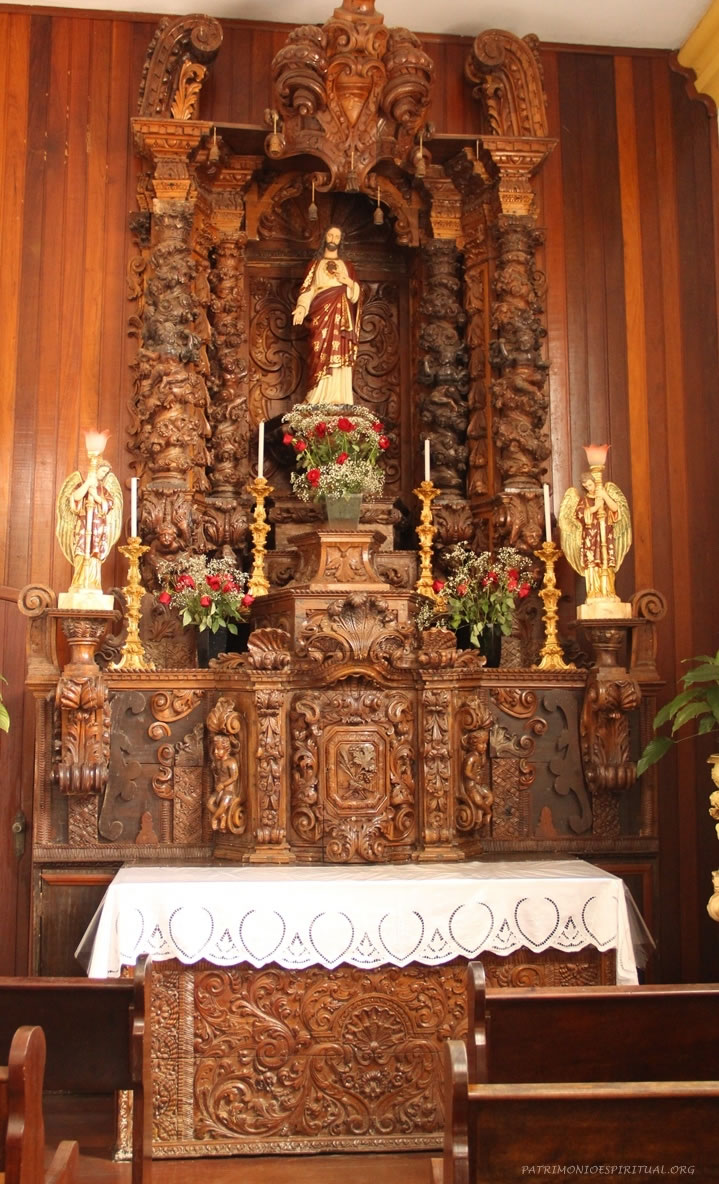
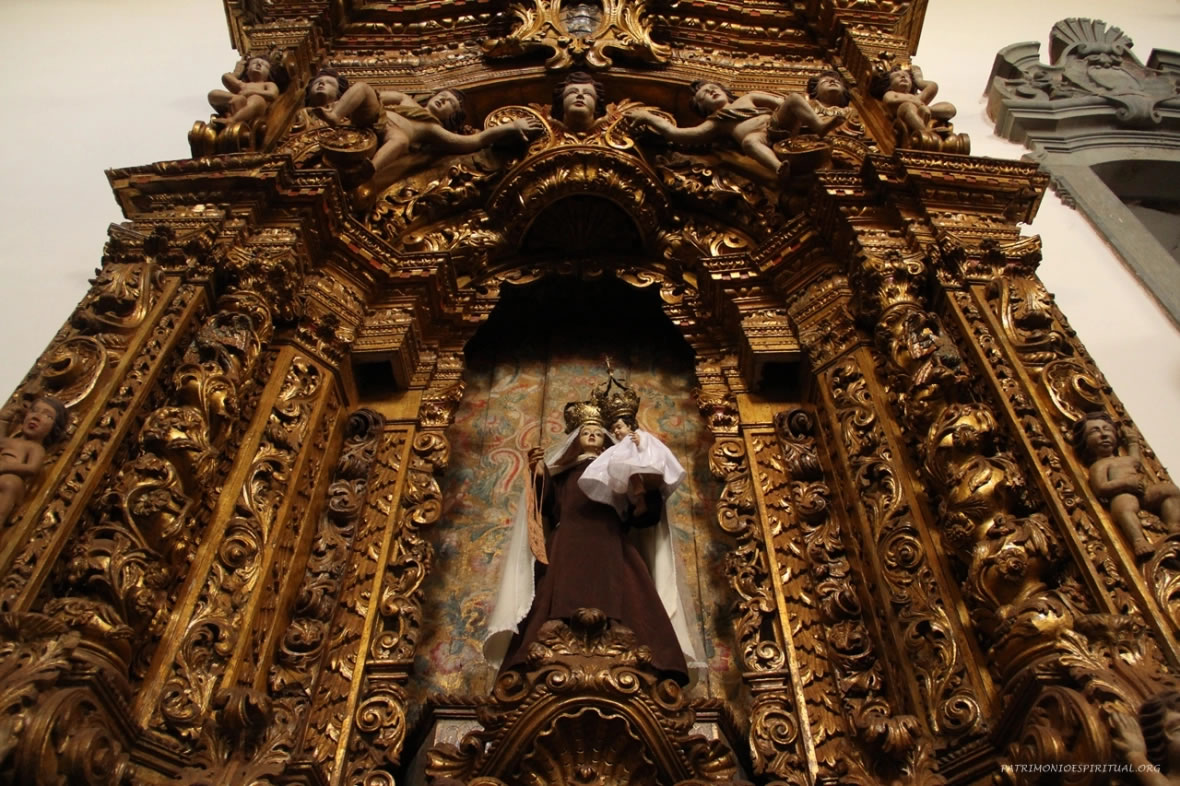
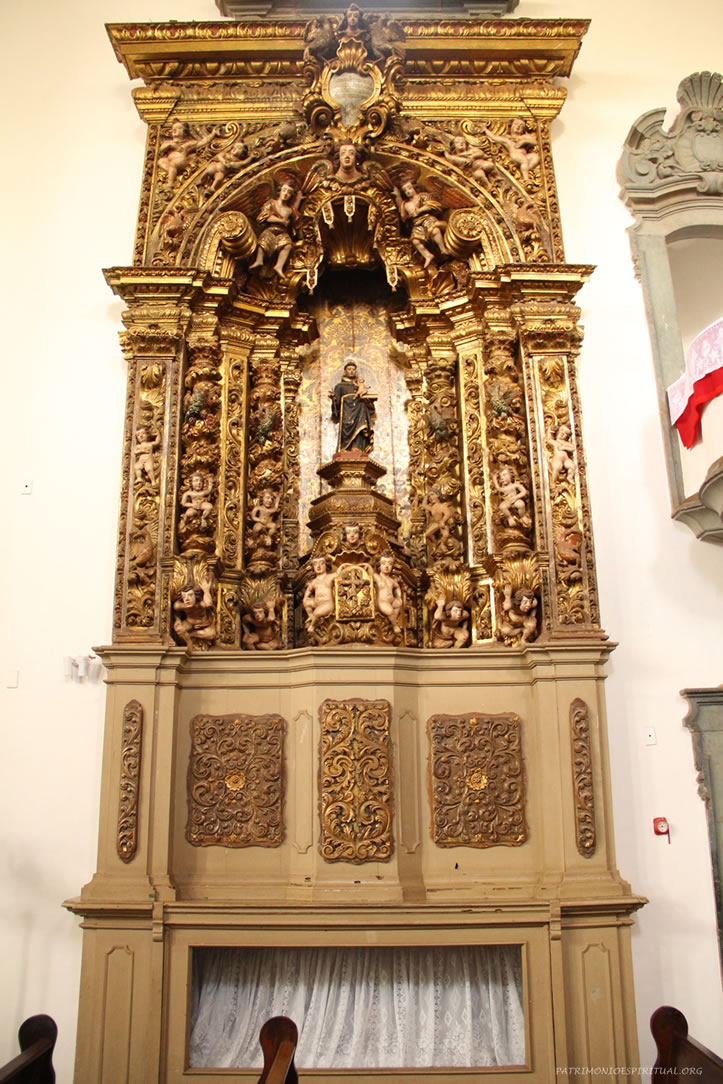
The side altars, four in all, are covered in gilding and, according to records, were brought from the old Morro Grande farm. Every detail of the sanctuary reveals the aesthetic and spiritual sophistication of the height of colonial art in Minas Gerais.
History, faith and change
The history of the Sanctuary of São João Batista is closely intertwined with the founding and growth of Barão de Cocais. Founded during the 18th-century gold rush, the town grew around faith and devotion to Saint John the Baptist, the municipality's patron saint.
The church was built in two distinct phases: in the first, funded by gold, the towers and the ornate façade were raised; in the second, in times of scarcity, simpler materials were used to finish the upper parts. Even so, the church kept its original grandeur and beauty.
Historical accounts, such as those of the French naturalist Auguste de Saint-Hilaire, highlight the grandeur and artistic value of the church, which remained splendid even after mining declined. This 19th-century observation reinforces the sanctuary's role as a symbol of the enduring faith and culture of the Serra do Caraça.
Today the sanctuary is still one of the main tourist attractions in Barão de Cocais, a synthesis of spirituality, art and history — a heritage that lives on in the memory and traditions of the people of Barão de Cocais.
A living heritage of the Serra do Caraça
More than a religious monument, the Sanctuary of São João Batista bears witness to the creativity and devotion that define the cultural heritage of the Serra do Caraça. Its monumental architecture, sculptures and paintings make it a true open-air museum, able to move visitors of all ages.
The sanctuary also hosts traditional celebrations, processions and religious events that keep the Catholic faith alive in Barão de Cocais. Its central location also makes it an ideal starting point for exploring other historic and natural attractions in the region, such as the Pedra Pintada Archaeological Site and the districts of Cocais and Morro Grande.
Preserved and valued over time, the sanctuary shows how art, faith and history come together to build the identity of Minas Gerais. Visiting it is a chance to connect with the past and understand the spiritual and cultural value that makes the Serra do Caraça one of the most enchanting regions of the state.
The Sanctuary of São João Batista is not just a church but a symbol of the Baroque soul of Minas Gerais, which continues to inspire generations and strengthen a whole people's sense of belonging.
Photo gallery