Affonso Penna Memorial in Santa Bárbara, MG
Location: Rua Conselheiro Afonso Penna, 116 – Downtown, Santa Bárbara – MG
Landmark: main access from the entrance to town, turning left towards Santa Bárbara's Historic Center.
The Casa Grande and its historic importance
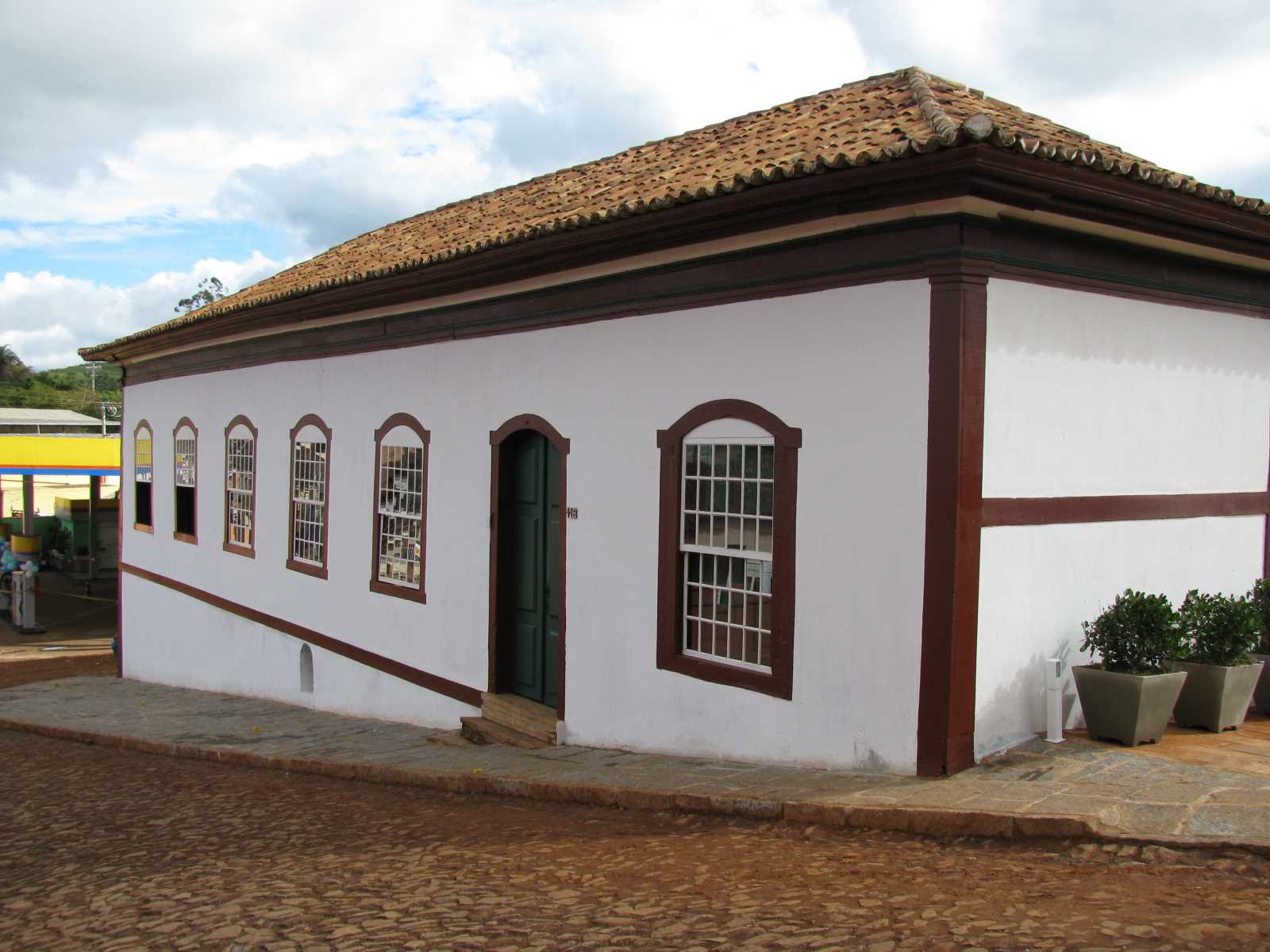
The Affonso Penna Memorial is housed in the Casa Grande, a colonial building that is part of the architectural ensemble of the Historic Center of Santa Bárbara. Dating from the 18th century, with striking early 19th-century features, it is one of the most beautiful examples of civil architecture from colonial Minas Gerais. Its windows with wooden lintels, habitable basement, sash windows and high ceilings reflect the sophistication and evolution of the manor houses of inland Minas Gerais.
Besides its architectural beauty, the Casa Grande has immeasurable symbolic value for the town and the whole Serra do Caraça region: it was here, on November 30, 1847, that Affonso Augusto Moreira Penna was born, who would later become the 6th President of Brazil. Restored to modern museum standards, the house has become a place of memory and knowledge, preserving the life story and political legacy of one of the most notable figures from Minas Gerais of his time.
The restoration, carried out under the guidance of museologist Inês Coutinho, followed international conservation standards, respecting every original detail of the building. Visitors are invited on a true journey into the past, walking through rooms that portray both Affonso Penna's family life and aspects of colonial society and architecture. Each room has been carefully set up to reflect a part of local history, bringing together culture, politics and memory in a single space.
Opened on June 13, 2009, the Memorial has become a must-see for anyone exploring historic tourism in the Serra do Caraça. It reaffirms Santa Bárbara's role as the birthplace of personalities who left their mark on Brazilian politics and culture, and stands out for combining architectural preservation, museology and regional pride in one place.
Collection, memory and legacy
The Memorial's collection is a true historical treasure. On display are period newspapers with reports on Affonso Penna's political career, books, family portraits and personal belongings that help visitors understand the former president as a person. Highlights include his leather briefcase, used for official business at the Catete Palace in Rio de Janeiro, and the binoculars he took to public events and state ceremonies. Full of symbolism, these objects bring visitors closer to the daily life of a man who played a key role in Brazilian politics.
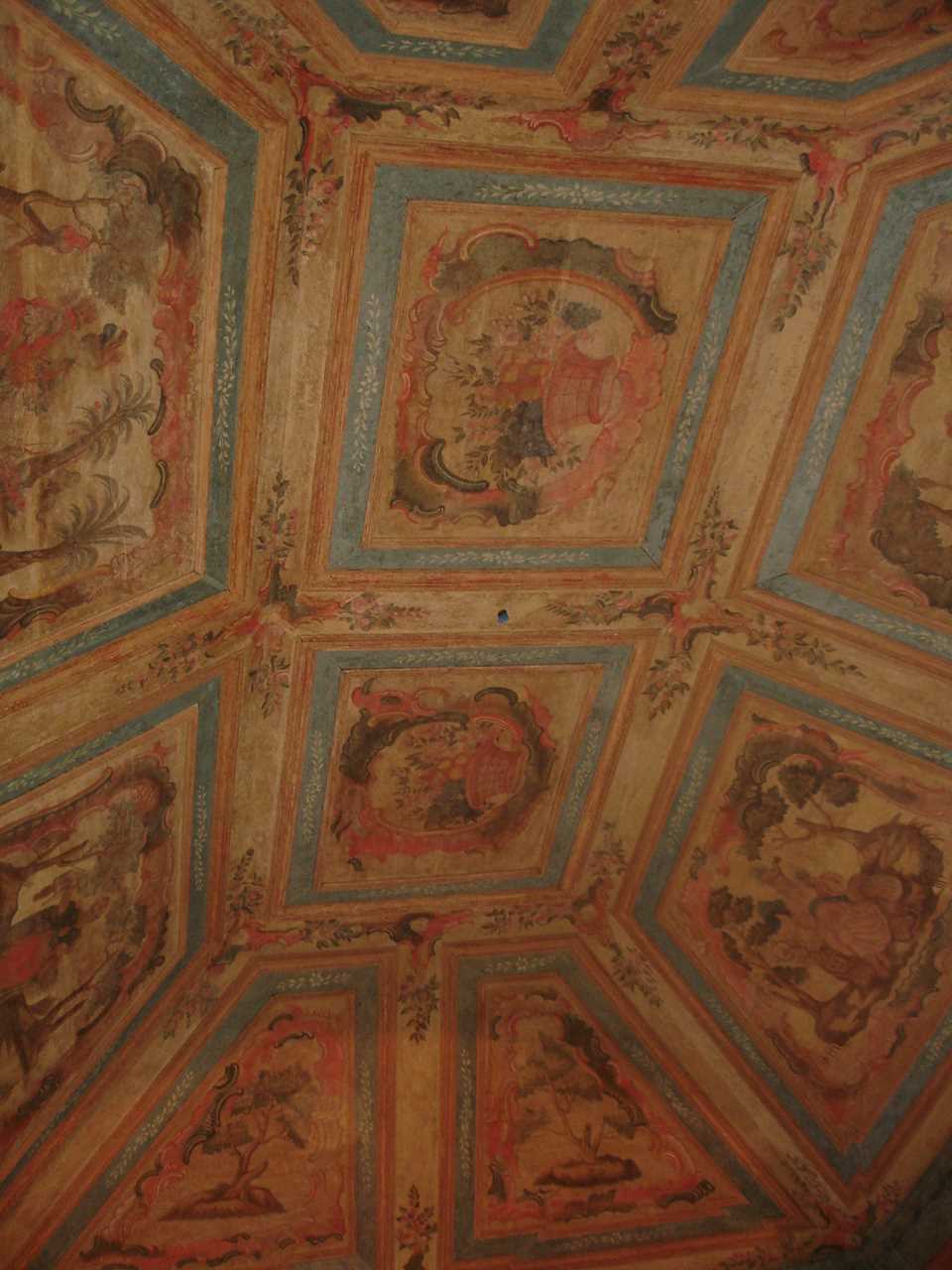
During the restoration, a surprising discovery added even more artistic value to the house: under the ceiling of the main room, an 18th-century rococo painting was found, allegorically depicting the four continents known at the time — Africa, Europe, Asia and America. Hidden for more than a hundred years, the panel shows secular and symbolic scenes: animals such as the lion and the elephant represent Africa; incense and herbs evoke Asia; flags and scientific instruments symbolize Europe; while coconut palms, macaws and monkeys celebrate the tropical exuberance of America.
Besides the permanent exhibitions, the Memorial holds rare documents donated by family members, such as a copy of the letter Affonso Penna sent to the Emperor of China in 1906, announcing that he had taken office as President and expressing his wish to strengthen relations between the two countries. The original document is kept at the Imperial Museum in Beijing, and its copy is a prominent part of the Memorial's collection.
Walking through the rooms of the mansion, visitors find not only relics but also a narrative thread connecting Affonso Penna's personal history to the making of the Brazilian nation. Every piece and every detail strengthens the bond between political memory and the cultural identity of Santa Bárbara, one of the most representative historic centers of the Serra do Caraça.
The Mausoleum and the monument to the Republic
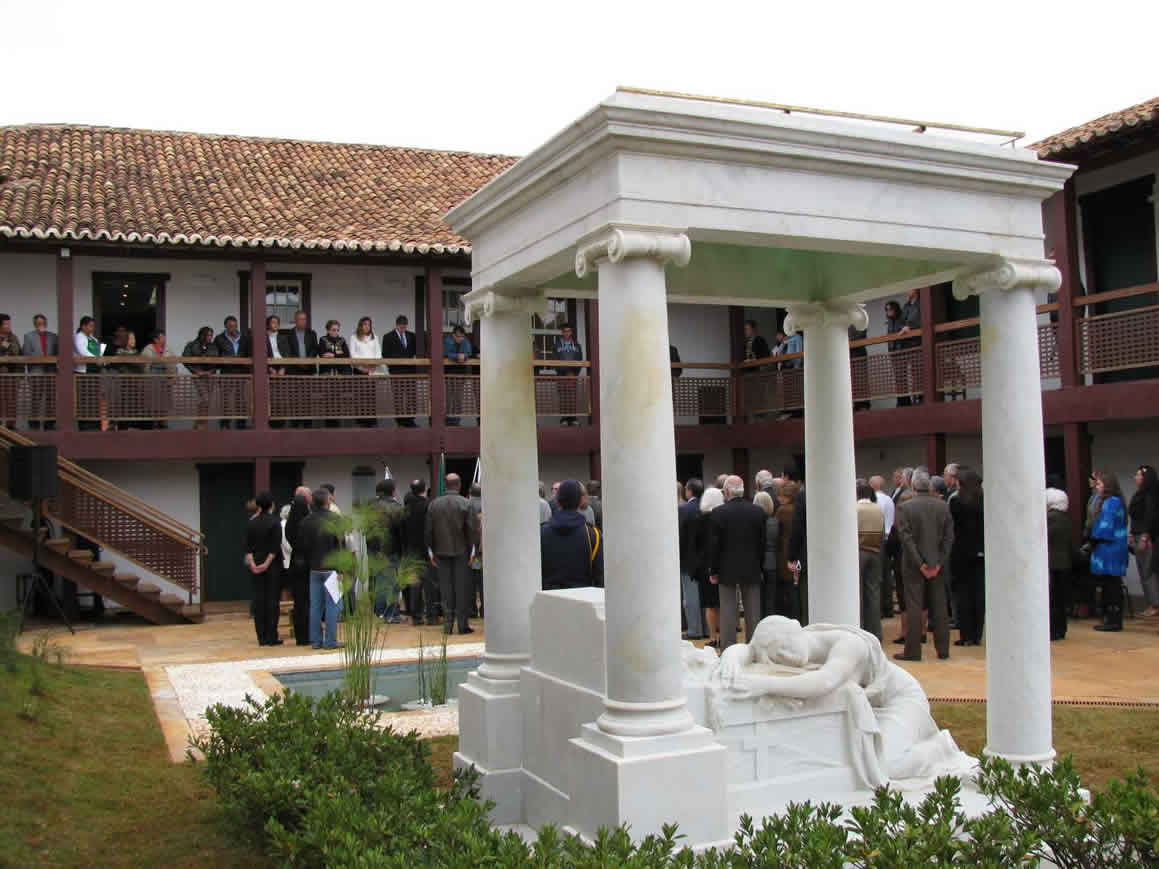
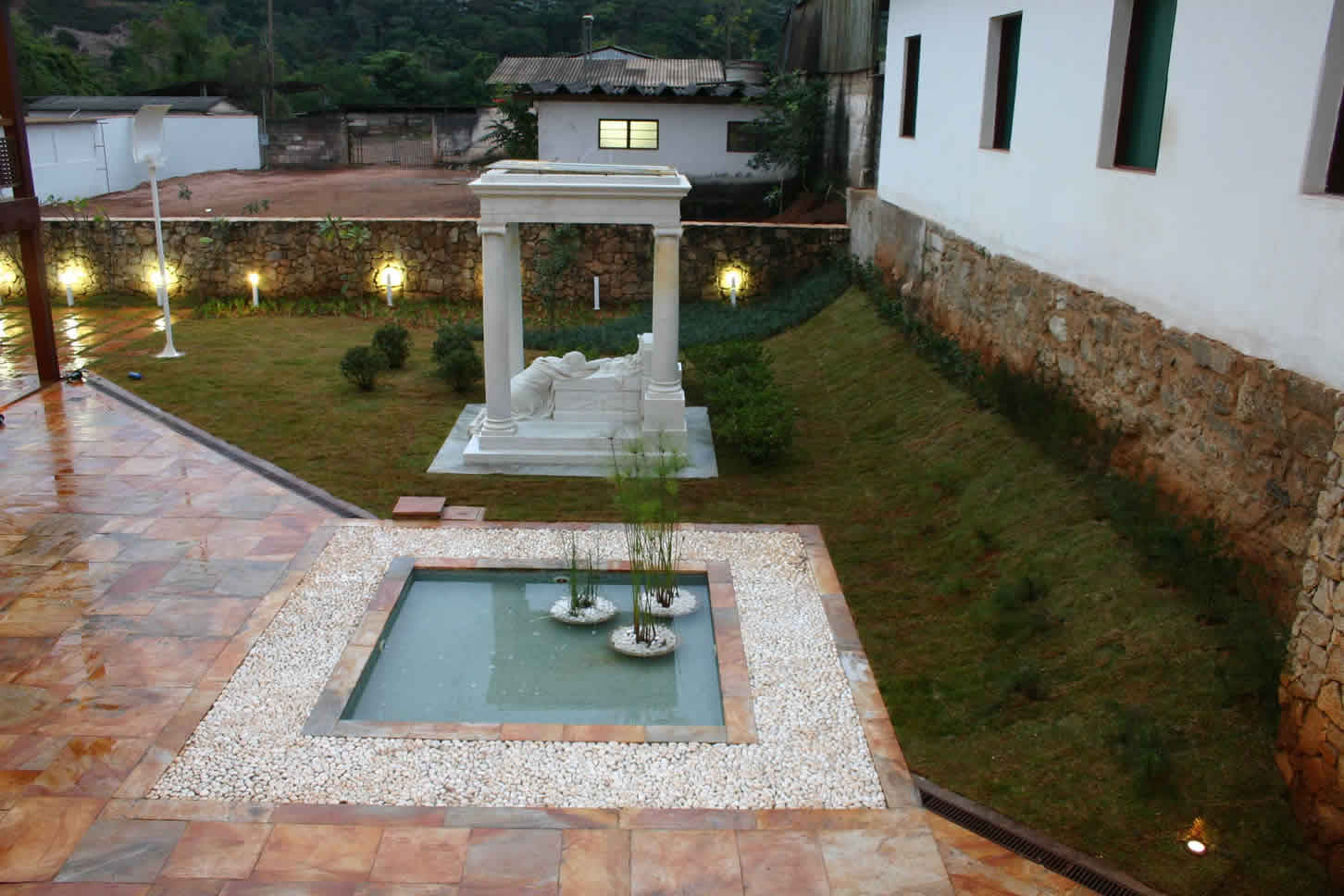
In the Memorial's gardens stands the Mausoleum of Affonso Penna and his family, moved in 2009 from the São João Batista Cemetery in Rio de Janeiro to the place where the president was born. The monument, carved in Carrara marble by the sculptor José Maria Oscar Rodolfo Bernardelli, was first unveiled in 1912 and impresses with the grandeur and delicacy of its details.
With four Arcadian columns and a roof decorated with a stained-glass Brazilian flag, the tomb holds the remains of Affonso Penna, his wife Maria Guilhermina de Oliveira Penna and their three children: Álvaro, Olga and Dorah. On the three-ton tombstone rests the sculpture of a weeping woman — an allegory of the Republic, representing the nation's mourning and gratitude for one of its most respected leaders.
The monument's style is eclectic, blending neoclassical and art nouveau elements, and symbolizes the transition between two periods of Brazilian art and politics. The presence of the mausoleum in Santa Bárbara strengthens the bond between the town and the legacy of its most illustrious son, turning the Memorial into a place of reverence and reflection on Brazil's republican past.
Visiting the Memorial's garden is an experience that goes beyond simple historic tourism. It is a moment of contact with national memory, with art and with the sense of belonging that links Santa Bárbara to the history of Brazil. There, in the heart of the Serra do Caraça, lies not just a president but a symbol of the Minas Gerais spirit: discreet, steadfast and deeply committed to its land.
The life and career of Affonso Penna
Affonso Augusto Moreira Penna was born in 1847 in Santa Bárbara and received his early education at the Colégio do Caraça, a school renowned for the excellence of its teaching and for educating great intellectuals and leaders of the country. His education, based on humanist principles and intellectual discipline, shaped the character that would make him one of the most respected figures in Brazilian politics.
He graduated in Law and Social Sciences from the São Paulo Law School in 1870, in a historic class that included names such as Rui Barbosa, Castro Alves, Joaquim Nabuco and Rodrigues Alves. After his doctorate he chose to return to Santa Bárbara to practice law, and later moved to Barbacena, where he stood out for defending enslaved people — a sign of his social sensitivity and sense of justice.
His political career began early. In 1874 he was elected to the provincial assembly; in 1878, to the national Chamber of Deputies; and in 1891, to the Senate of the Republic. The following year he became governor of Minas Gerais and led the transfer of the state capital from Ouro Preto to Curral del Rei, today's Belo Horizonte. In 1903 he became Vice President of Brazil and in 1906 he was elected President of the Republic, a position he held until his death on June 14, 1909, at the Catete Palace in Rio de Janeiro.
Affonso Penna's life is an example of dedication to public service and commitment to the country's development. His legacy lives on in every detail of the Memorial that bears his name — a space that connects the past to the present and reinforces Santa Bárbara's pride in being the birthplace of one of the most important leaders in Brazilian history.
Photo gallery