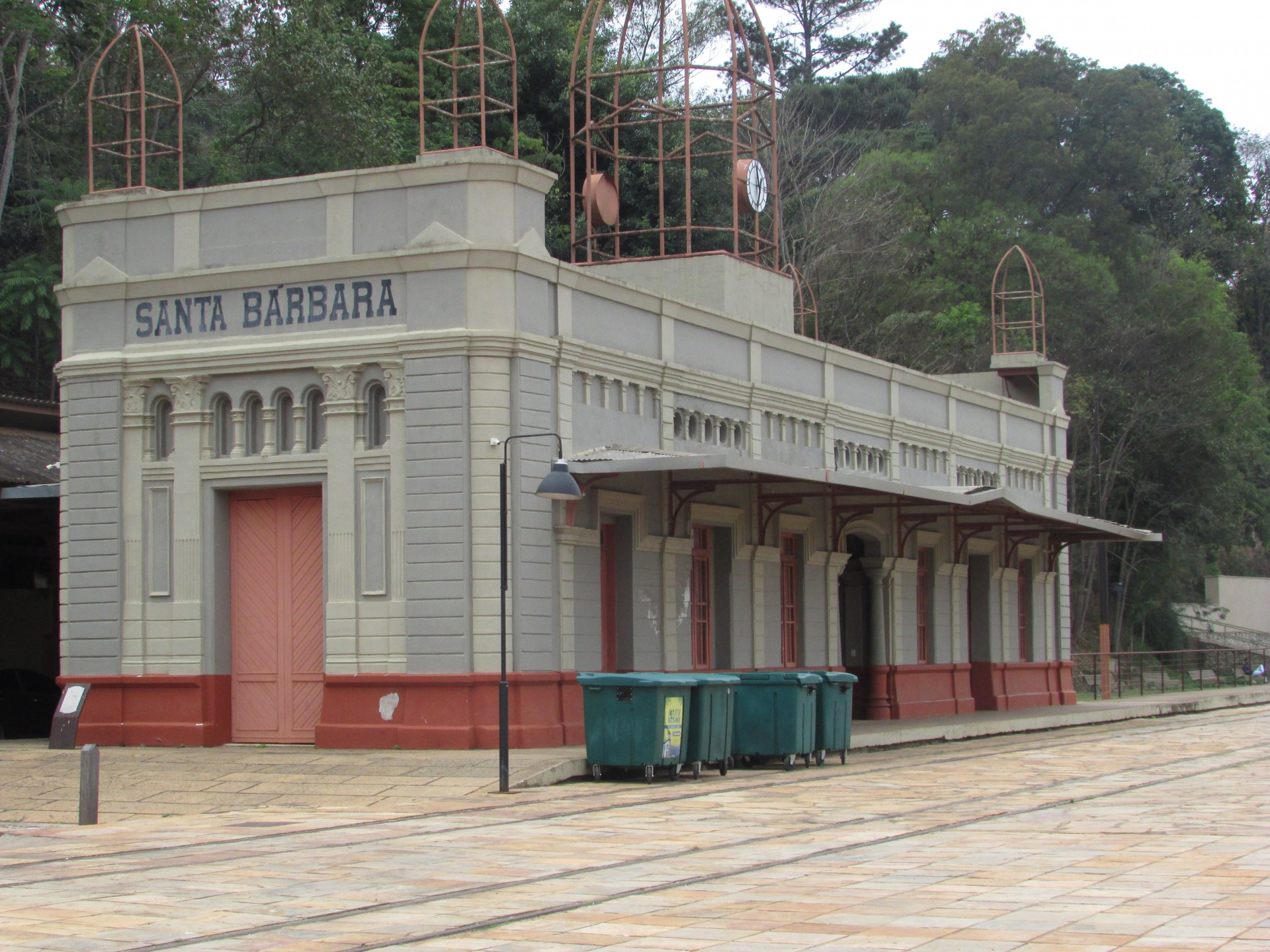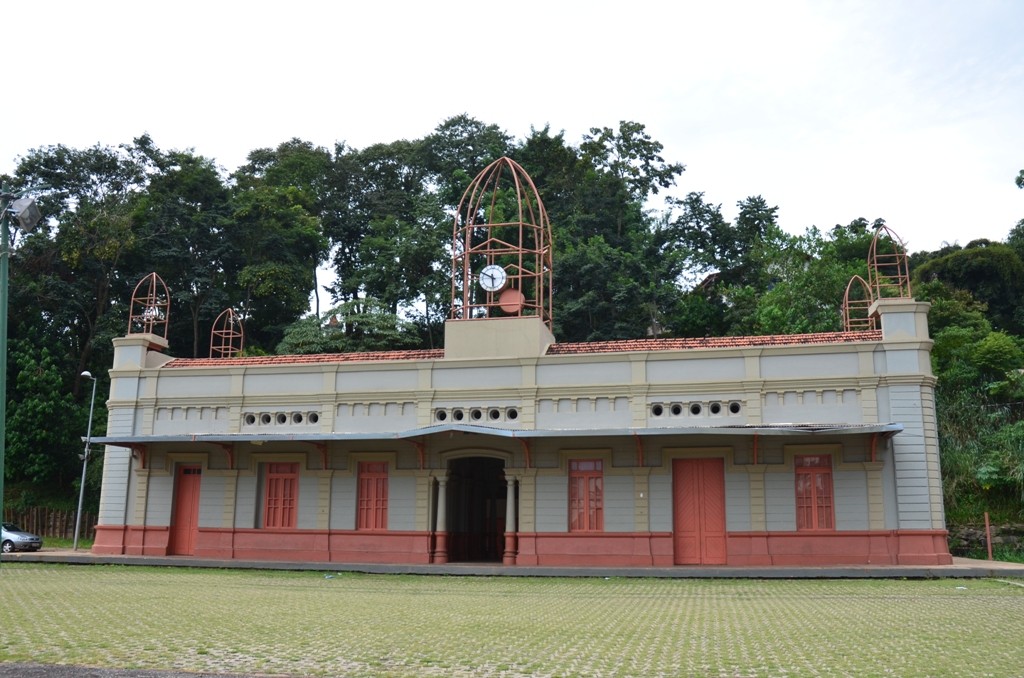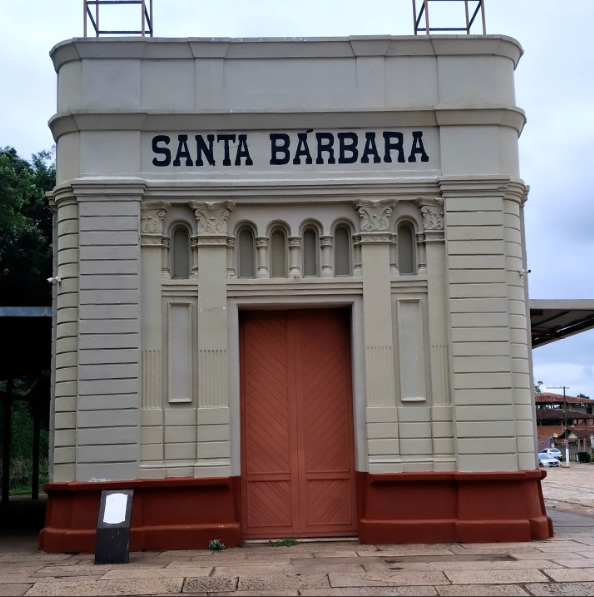
Old Railway Station of Santa Bárbara, MG
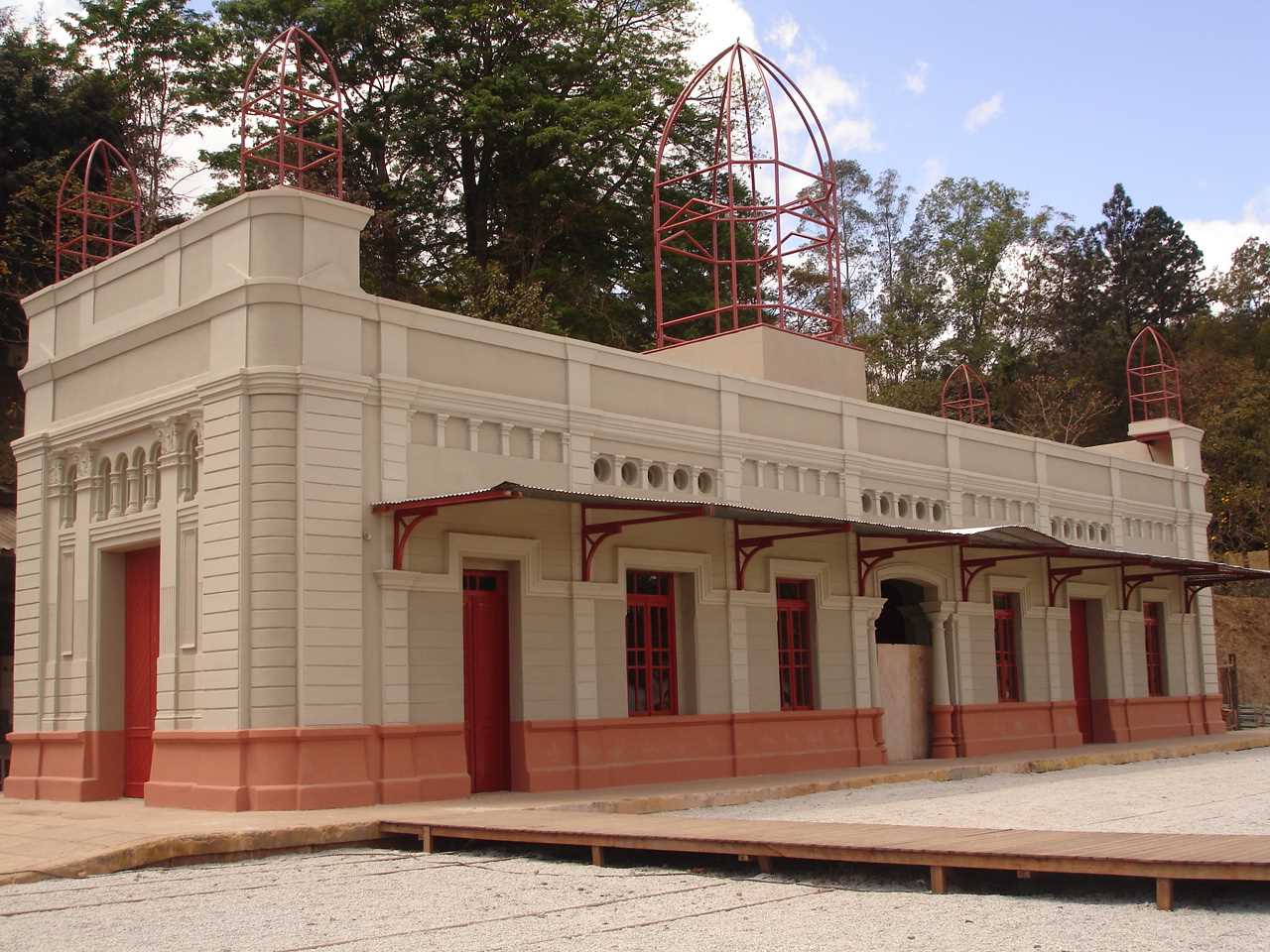
Location: Rua da Estação – Downtown, Santa Bárbara – MG
Landmark: From the Historic Center, go down Rua Conselheiro Afonso Pena and turn left onto Rua da Estação. The building is near the Bar da Estação and the Hotel Quadrado.
A symbol of progress in the early 20th century
The Old Railway Station of Santa Bárbara is one of the most emblematic landmarks of the town and of the Serra do Caraça region. Opened on August 1, 1912, the station marked the beginning of a new era for the town, boosting trade, transport and urban development. The arrival of the railway connected Santa Bárbara to the state capital, Belo Horizonte, and to other important cities in Minas Gerais and Espírito Santo, paving the way for economic and social growth in the early 20th century.
The building's eclectic style reflects the architectural refinement of the period. Although designed with a traditional floor plan, the station featured detailed finishes and high-quality construction, expressing the symbolic importance of the railway for the town. It was not just a place to board and get off trains, but also the link between modernity and the traditions of inland Minas Gerais.
For decades the coming and going of trains enlivened daily life in Santa Bárbara, carrying people, goods and stories. The railway brought about a profound urban transformation: it brought electricity, running water, a hospital, a school and new opportunities for residents.
Over time, technological advances and the restructuring of railway routes led to the closure of the station in the late 1990s, when a new line was built to shorten the travel time of trains heading to Vitória. Even so, its historic importance remains alive in the memory of the townspeople.
Architecture and construction details
The Old Railway Station building has a rectangular layout and about 112 m² of floor area, set on an artificial plateau. The side platforms, reached by ramps, reveal the functional and aesthetic care of the design. The façades feature ornamented pilasters, Ionic capitals and round-arched niches, decorated with partly carved balusters and details sculpted in the shape of feline heads — a curious touch that shows the richness of the decorative details of the time.
The columns of the central hall have a sophisticated finish, with plinths, tori, scotias and carved capitals, supporting segmental arches that give the structure a sense of lightness. The ceiling, with five open oculi, lets in natural light and softens the contrast between inside and outside.
Originally the building had five zinc metal towers, four at the corners and a central one with a clock, which gave the station an imposing look. Unfortunately, these towers were removed in the 1960s and ended up as scrap metal. Despite the changes and architectural losses, much of the original structure has been preserved, so the building's history and aesthetics can still be appreciated.
The metal roof over the platforms, supported by iron brackets, completes the visual harmony of the building, which still stands out today for its elegance and classical proportions.
Restoration and new uses
Recognizing its historic and symbolic value, the town began a process of restoration and revitalization of the old station. The plan is to turn it into a Handicraft Development Center and a Railway Museum, preserving the memory of rail transport and valuing the region's traditional crafts.
Restoring the station not only recovers Santa Bárbara's history but also opens up new possibilities for tourism, leisure and heritage education. The revitalization of the surroundings has turned Praça da Estação into a large community space, where fairs, cultural events and open-air concerts are held, attracting residents and visitors alike.
This new use brings the space back to life and makes it part of the town's routine again, keeping the railway's legacy alive. By bringing past and present together, the station reaffirms Santa Bárbara's commitment to preserving its memory and to the sustainable development of cultural tourism in the Serra do Caraça.
Today the old station is much more than a reminder of times of progress — it is a symbol of identity and continuity, where history is renewed with every visit.
Heritage and memory of the Serra do Caraça
Located near the Historic Center, the Old Railway Station has become one of the most visited attractions in Santa Bárbara, part of the architectural ensemble that makes up the historic heritage of the Serra do Caraça. Its presence inspires respect and curiosity, connecting visitors to the history of the town and to the changes that shaped the region.
Every detail, every wall and every rail tells stories of the workers, travelers and merchants who helped build the town. The station bears witness to a time when the train whistle set the rhythm of life and progress arrived with the noise of the locomotives.
Visiting the station is a dive into the living history of Santa Bárbara — a history that continues to be written through the community's preservation and love for its heritage. In this way, the Old Railway Station keeps its essential role as a guardian of memory and a symbol of the welcoming spirit of the towns of the Serra do Caraça.
Photo gallery