Old Jail of Santa Bárbara, MG
Location: Praça Cleves de Faria – Downtown, Santa Bárbara – MG
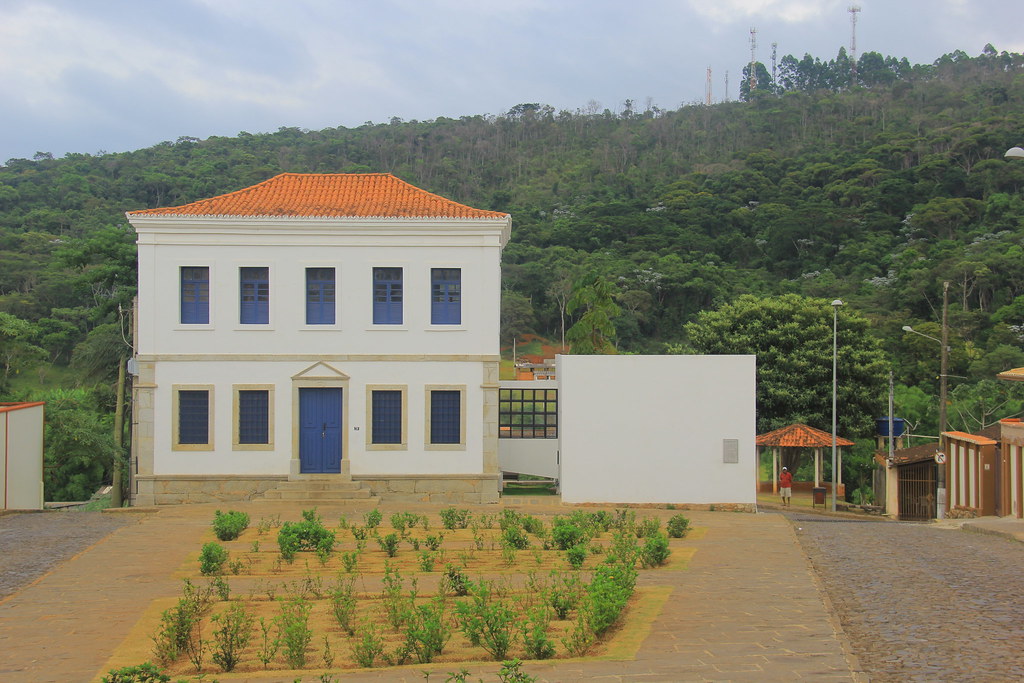
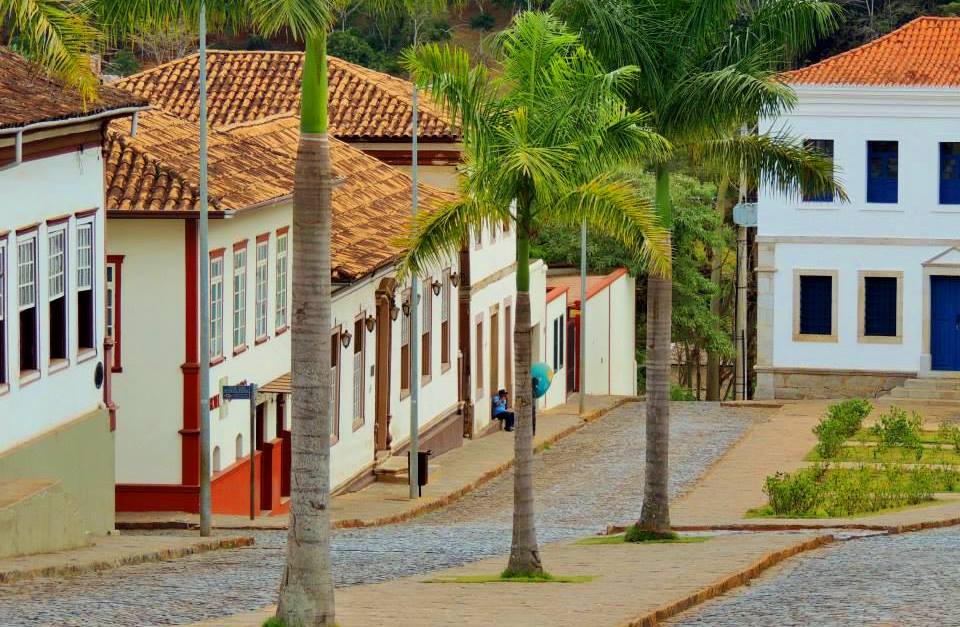
Landmark: In the heart of Santa Bárbara's Historic Center, near the Mother Church of Santo Antônio, among the town's main listed buildings.
From Town Council House to Public Jail
The Old Jail of Santa Bárbara is one of the most emblematic architectural landmarks of the town and of the Serra do Caraça. Opened in 1900, the building was designed to house the Town Council House and Jail, which played a central role in the administration and public security of the time. Later it also housed the Municipal Courthouse, becoming an important center of political and legal decision-making in the town.
Over the years, the building witnessed countless historic events, reflecting the daily life and changes of local society. In 1999, after a fire set by inmates who were about to be transferred, it was closed as a public jail. Since then it has taken on new meanings, becoming a symbol of the preservation of local memory and culture.
The building is listed by IEPHA and the Municipal Cultural Heritage Council, which guarantees its conservation and value as a historic testimony of the town. Its imposing presence and architectural features reveal the care and technique of colonial and early republican buildings, which still delight visitors today.
Architecture and construction
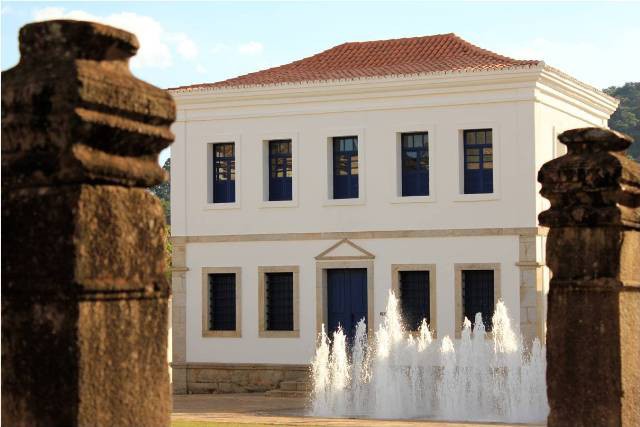
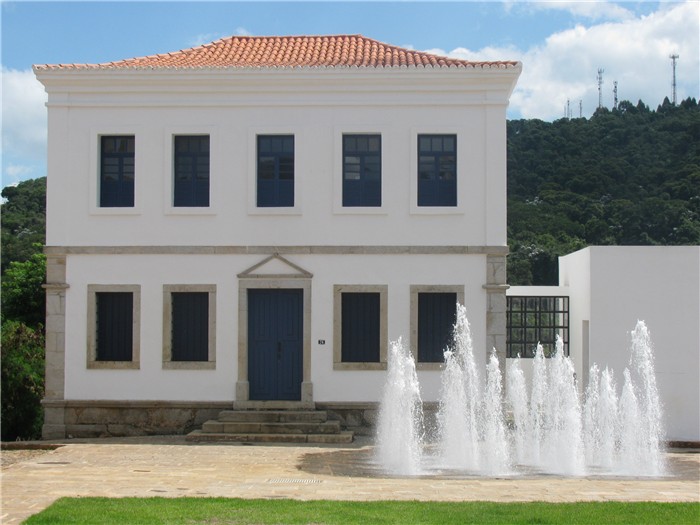
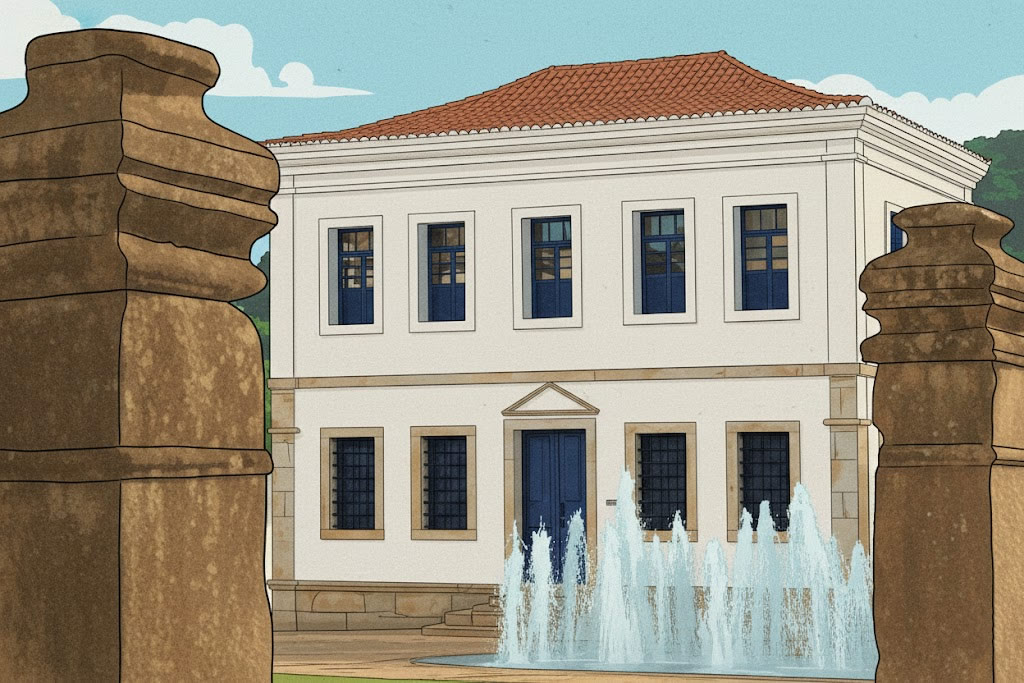
The Old Jail of Santa Bárbara has a rectangular structure, with a floor plan built around a central corridor flanked by rooms that once served administrative and prison purposes. The building has stone masonry walls, corners and openings in exposed ashlar, stone steps and a hipped roof, a common feature of late 19th-century buildings in Minas Gerais.
The main façade stands out for its perfect symmetry: five windows on the upper floor match the four windows and the central door on the ground floor. The lower windows are protected by solid iron bars, while the upper ones keep the charm of louvered shutters and glass fanlights, letting in natural light and air.
Details such as the triangular moldings above the lintels and the plaster cornice eaves show the elegance and practicality of the architectural style of the time. These elements make the building a true history lesson for anyone interested in colonial and republican architecture in Minas Gerais.
The Museu Antoniano and the preservation of memory
Since June 2017, the building has housed the Museu Antoniano, a space dedicated to the life and work of Saint Anthony (Santo Antônio), the town's patron saint. The museum has a modern exhibition design, with information panels, audiovisual resources and objects that tell both the story of the saint and the history of the town and the building itself.
Besides the cultural visit, the place offers a welcoming experience: visitors can enjoy coffee, artisanal cheeses and quitandas (traditional baked goods) made in Santa Bárbara and neighboring towns, in a setting that blends religion, food and Minas Gerais hospitality.
The space also has a platform lift for accessibility and an artisanal cheese shop on the lower floor, reaffirming the importance of historic heritage as a place for community life and local development.
Today the museum also serves as a reception point for the Caraça Sanctuary, selling entrance tickets, souvenirs and other tourist services. Before visiting, it is always best to check prices and opening hours directly with the Sanctuary.
A symbol of local identity
More than a historic building, the former Town Council House and Jail represents the spirit of transformation and resilience of the people of Santa Bárbara. What was once a place of punishment and control is today a place of culture, faith and collective memory. This transformation reflects the town's commitment to preserving its heritage and strengthening historic and cultural tourism in the Serra do Caraça.
The Old Jail invites you to discover not only the town's history but also how the past remains present in every detail of its streets, façades and local celebrations. Part of the Historic Center, it belongs to one of the richest architectural ensembles in Minas Gerais and is a must-stop for anyone who wants to explore the origins of the region.
Photo gallery