Festa da Quitanda and Festival da Goiabada 2013 in Cocais, MG
2nd Festa da Quitanda and 1st Festival da Goiabada
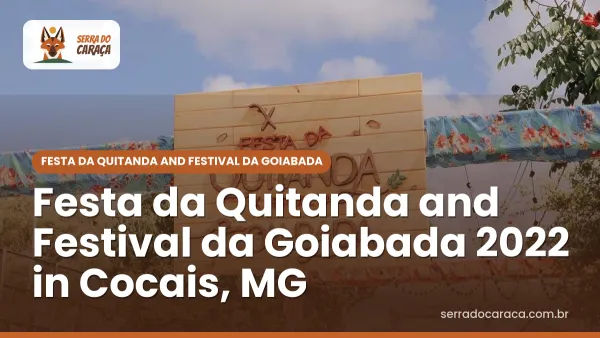
On May 4 and 5, 2013, the charming Colonial Village of Cocais, a historic district of Barão de Cocais, hosted the 2nd Festa da Quitanda and the 1st Festival da Goiabada (quitandas are traditional homemade baked goods; goiabada is guava paste), establishing itself as one of the most traditional celebrations of the Serra do Caraça.
Organized by the Barão de Cocais City Hall, through the Departments of Culture and Tourism and Economic Development, with the support of EMATER-MG and the Rural Workers' Union, the event celebrated the cooking, handicrafts and traditions of inland Minas Gerais.
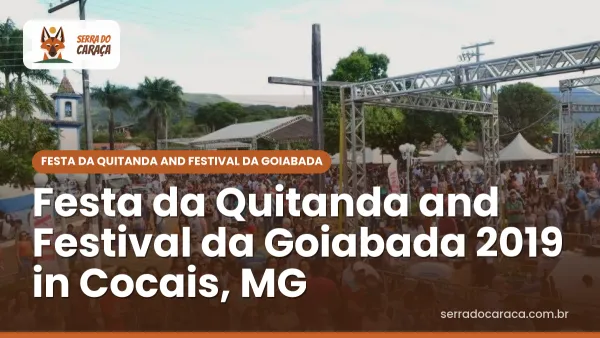
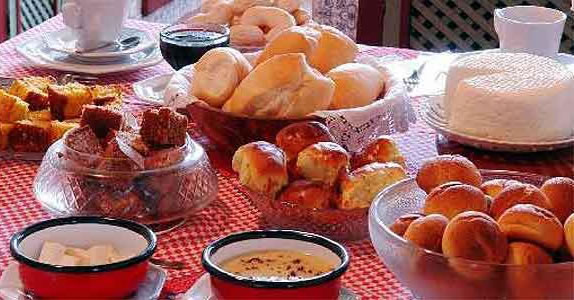
The festival had the direct involvement of the community, which lovingly prepared every detail: from the food stalls to the cultural and musical performances. Tourists and residents gathered at the Praça do Rosário, where the smell of freshly brewed coffee and fresh quitandas filled the air.
A Saturday of flavors and serenades in Cocais
The first day of the event, Saturday (May 4), began at 4 p.m. with the official opening of the festival and the traditional stalls selling quitandas, sweets, cheeses, cachaças and local handicrafts.
At the Goiabada Cascão Space, visitors could learn about the artisanal process of making this delicacy, a symbol of local cooking and Intangible Heritage of Barão de Cocais.
The food court was one of the busiest spots, with an irresistible variety of traditional treats: bean fritters, angu (cornmeal) pastries, sausage sandwiches, aged cheeses and homemade sweets.
At 5 p.m., the Grupo Chora Rita opened the music program with the best of Minas Gerais music and MPB (Brazilian popular music).
Closing the first day, at 8 p.m., the audience was moved by the show of the "Barão no Luar" Serenade Group, which delighted everyone with classics and serenades celebrating the tradition and romance of the countryside.
Sunday: tradition, faith and the quitanda contest
The second day of the 2013 Festa da Quitanda and Festival da Goiabada began at 9 a.m., with the stalls reopening and cultural activities resuming.
Once again, the Goiabada Cascão Space stood out, offering tastings and showing visitors how the sweet is made in copper pans, keeping alive a century-old tradition of the Serra do Caraça region.
At 11 a.m., the 1st Quitanda Contest began, one of the most eagerly awaited moments of the festival. Quitandeiras and rural producers presented their recipes with creativity and affection, competing in the categories of breads, cakes, biscuits and pies.
The aroma of freshly baked quitandas spread across the square, drawing in the public and celebrating the talent of local cooks.
At noon, the Guarda de Congos de Nossa Senhora do Rosário de Barão de Cocais (Congado group) performed, bringing faith and devotion to the celebration.
Next, the audience enjoyed the show by the duo Roney Costa e Fabiano, who livened up the afternoon with sertanejo music and popular hits.
Between performances, the official Quitanda Contest awards were presented, highlighting the best dishes and stall decorations.
The festival closed at 5 p.m., crowning two days of joy, culture and genuine Minas Gerais flavors.
Goiabada cascão: symbol and pride of the Serra do Caraça
More than a simple sweet, goiabada cascão (chunky guava paste) represents the cultural and emotional heritage of the Cocais community.
Made by hand with ripe guavas and sugar, slowly cooked in copper pans, it symbolizes the care and tradition that span generations.
During the festival, visitors could learn about the history of this product and how it is made, and taste versions produced by local families, strengthening the region's economy and tourism.
The Festival da Goiabada, in its first edition, was a milestone in valuing regional cuisine, establishing Cocais as a cultural and culinary reference in the Serra do Caraça.
Cocais: history, culture and hospitality
The Colonial Village of Cocais is one of the most charming districts of Barão de Cocais.
With its cobblestone streets, old mansions and historic churches, the village keeps alive the architecture and spirit of the old mining towns of Minas Gerais.
Besides its hospitality and traditional cooking, Cocais also offers natural attractions, such as trails, waterfalls and viewpoints that make up the beautiful landscape of the Serra do Caraça, one of the state's main ecotourism and cultural destinations.
The 2013 Festa da Quitanda reinforced this charm, showing that the true flavor of Minas lies in every recipe and every smile.