Festival Sabores do Morro 2016 in Morro D'Água Quente, MG
Located at the foot of the majestic Serra do Caraça, the district of Morro D'Água Quente experienced, in 2016, a special moment of social, cultural and economic transformation. What began as an initiative to value local skills ended up becoming a milestone for the community and for regional tourism.
The 1st Festival Sabores do Morro (Flavors of the Morro Festival) was born as the celebration of a year of successful experiences involving food, community training and the strengthening of local identity. More than a one-off event, the festival symbolized a new view of the potential of this small district of the town of Catas Altas.
By bringing together residents, visitors, local producers and institutional partners, the festival showed that food can be a powerful tool for inclusion, income generation and self-esteem. The 2016 edition left a legacy that went beyond the event itself, directly affecting the lives of the people involved.
Set in a privileged natural landscape and surrounded by important tourist destinations of Minas Gerais, Morro D'Água Quente became a more consistent part of the map of cultural and culinary experiences in the Serra do Caraça region.
The origin of the project and the strengthening of the community
The 1st Festival Sabores do Morro was the direct result of a sustainable development project started in Morro D'Água Quente, focused especially on valuing local potential. The initiative involved studies of the territory, the residents, their skills and the opportunities in the district.
Based on this assessment, training and community organizing activities were carried out, focusing on low-income residents and, above all, the women of the village. Women's empowerment became one of the pillars of the project, promoting autonomy, confidence and social leadership.
The collective work encouraged not only technical learning but also stronger bonds among residents. Sharing experiences, mutual support and building common goals became part of the community's daily life.
This process was essential for the festival to emerge organically, as a natural consequence of the group's growth and its desire to show the outside world everything being produced in Morro D'Água Quente, at the foot of the Serra do Caraça.
The Sabores do Morro Fair as the basis of the festival
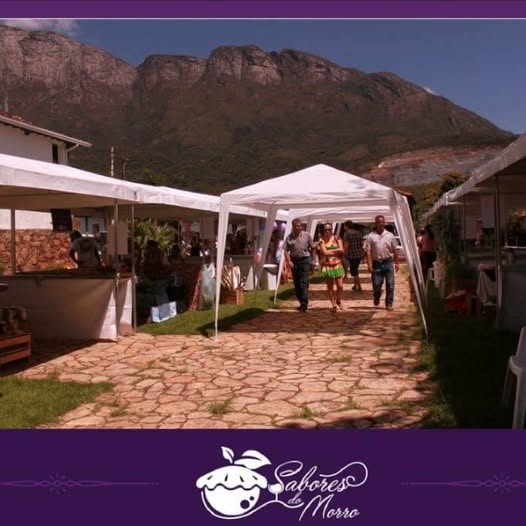
Before the festival, the Sabores do Morro Fair had already become an important space for selling products and socializing. Held monthly, the fair brought together local producers in an organized, welcoming setting full of identity.
The stalls offered a variety of products typical of the region, such as Minas Gerais quitandas (homemade baked goods), artisanal sweets, jams, jabuticaba wines and liqueurs, cheeses, vegetables, fruit, honey and even craft beer. Everything was made by the residents themselves, respecting local traditions and know-how.
More than a place to shop, the fair became a meeting place for the community, tourists and visitors. Live music, activities for children and a festive atmosphere helped create a sense of fellowship and belonging.
The fair's continued success over a year is what led to the 1st Festival Sabores do Morro, broadening the proposal and taking the culinary experience of Morro D'Água Quente to a new level.
The 1st Festival Sabores do Morro and its attractions
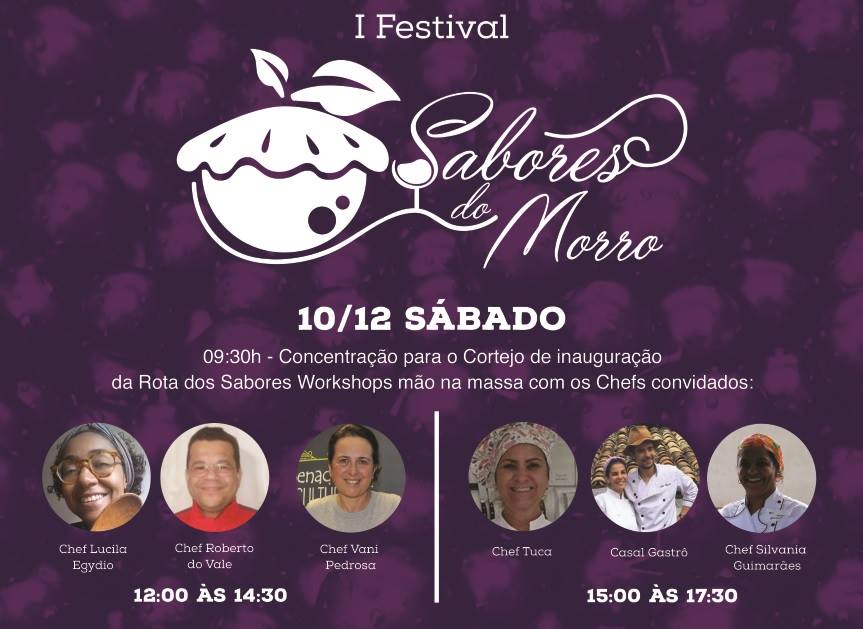
Held in December 2016, the festival celebrated the first 12 months of the Sabores do Morro Fair. Over two days, the district welcomed visitors interested in experiencing the culture, flavors and stories of the community.
The program included cooking workshops, many of them featuring jabuticaba, the signature fruit of the Serra do Caraça region. The activities covered topics such as sustainable cooking, using every part of the food and innovation in artisanal production.
Besides the workshops, the event featured cultural attractions, artistic performances and activities with the community's children. One of the highlights was the parade through the village streets, which celebrated local identity and involved residents and visitors in a shared experience.
The festival also marked the formalization of the Sabores do Morro Association, strengthening the producers' organization and laying solid foundations for continuing the income-generation and cultural initiatives in the district.
The Flavors Route and integration with regional tourism
One of the most symbolic initiatives presented at the festival was the creation of the Rota dos Sabores (Flavors Route). It allowed visitors to buy products directly at the producers' homes, on any day of the week, not just during the monthly fair.
Signs installed on the houses identified the production points, fostering a closer relationship between producers and consumers. This closeness reinforced the value of handmade work and encouraged experiential tourism.
From a tourism point of view, Morro D'Água Quente is strategically located. Close to the Caraça Sanctuary and historic towns such as Santa Bárbara, Barão de Cocais, Mariana and Ouro Preto, the district became part of new regional itineraries.
The combination of natural landscapes, crystal-clear water, simple architecture and authentic food made the place even more attractive for those seeking genuine experiences in the Serra do Caraça region.
Social impact and the festival's legacy
The results of the 1st Festival Sabores do Morro went far beyond income generation. Participants reported significant improvements in self-esteem, emotional health and quality of life.
Many women found in cooking a new outlook for the future, turning traditional skills into a source of livelihood and recognition. Pride in their work became part of the community's identity.
Stronger social capital, integration among residents and collective learning were lasting gains. The festival showed that well-structured initiatives can bring about profound change, even in small communities.
The 1st Festival Sabores do Morro thus became a milestone for Morro D'Água Quente, reinforcing the role of food as a tool for social transformation and cultural appreciation in the Serra do Caraça region.
Photo gallery